Thanks for your interest!
Simply fill out the form below and one of our team
will be in touch shortly
News
25 Jun 2025
As London Climate Action Week draws to a close, it’s a timely reminder that we are all responsible for taking action to mitigate human-induced climate change. It is remarkable to consider how much the world has changed in just one hundred years. While our planet typically evolves over thousands or even millions of years, through shifting continents, rising mountains, and advancing glaciers, the pace of human development in the past century has been extraordinary.
A hundred years ago, we had no internet, no commercial air travel, no electric cars, drones, or space exploration. Nor did we fully understand how our behaviour and technologies were affecting the environment. Today, we know far more about the consequences of our actions.
We now know that a lot of our pollution is carcinogenic, with air pollution responsible for around five million deaths globally each year. We understand that our emissions are creating a thickening layer in the atmosphere, disrupting weather systems and contributing to climate change. We also recognise that if we want a better future, we must adopt better technologies.
We are at a critical moment, equipped with many of the solutions needed to reduce environmental harm. While not every solution is available yet, we already have access to technology that is significantly more efficient, less polluting, and often more convenient than what it replaces."

Nick Drake
Director of Net Zero
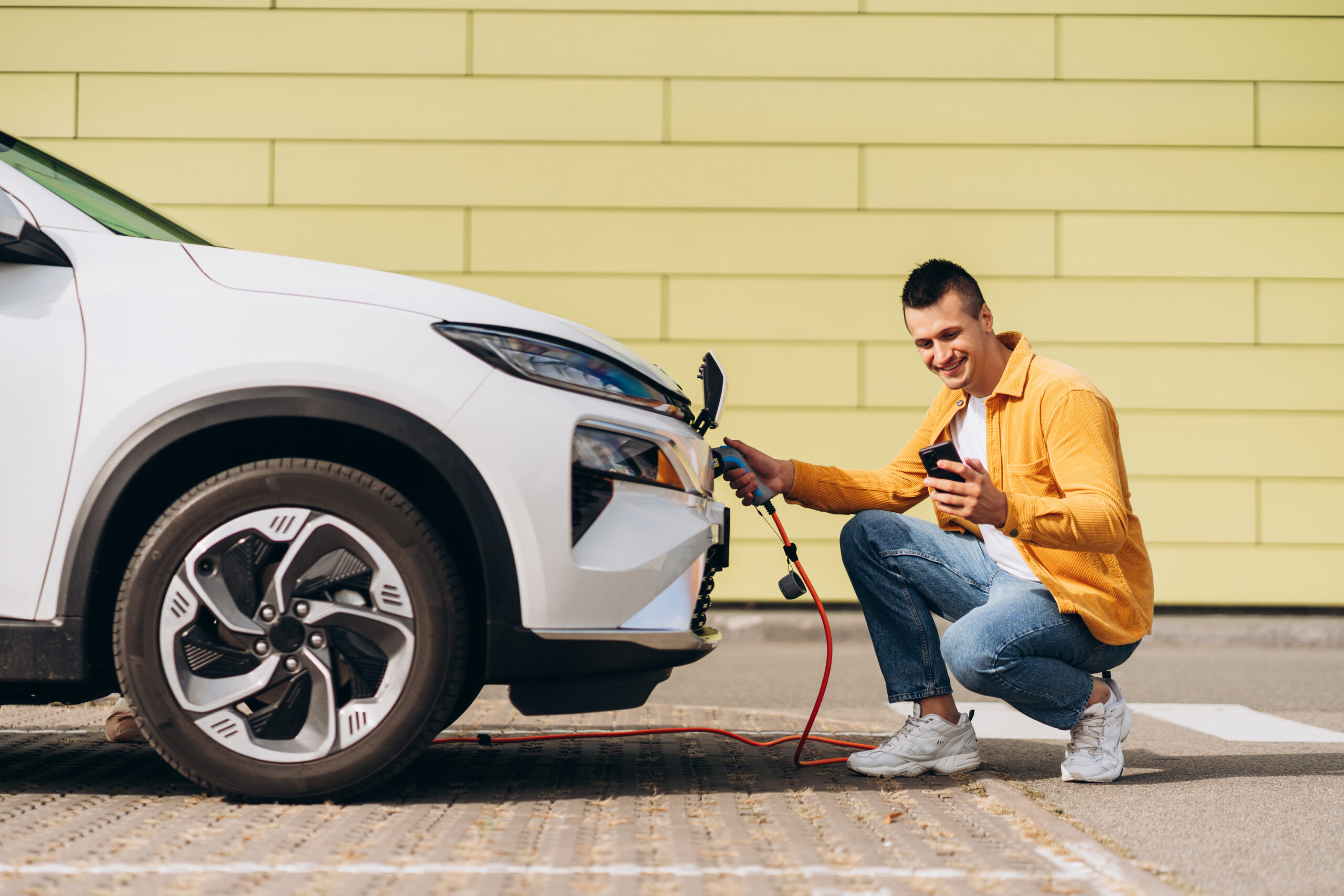
For example, I have been driving an electric vehicle for nearly a decade. Contrary to popular myths, I have never run out of charge, nor experienced any of the bizarre problems that make headlines. What I have found is a simpler, cleaner and cheaper way to drive. I return home, plug in the car, and it charges overnight for about 5p/KWh. That means I can travel up to 300 miles for just £5.
There is no queuing at petrol stations or paying £100 to fill the tank. There are no toxic fumes, engine vibrations or noise. Instead, the car offers instant acceleration, a quiet ride and an enjoyable driving experience. The benefits are obvious, and yet many people remain hesitant, often influenced by outdated perceptions or second-hand anecdotes.
Beyond cars: The bigger shift
The shift to electric vehicles is just one example. The broader point is that we have at our disposal a wide range of technologies that can help reduce greenhouse gas emissions and environmental harm. These are not only cleaner solutions but also smarter and more advanced than the ones they are replacing.
Fossil fuels are finite. One day they will be depleted. We need to transition to renewable sources – not only to tackle the climate emergency, but because, eventually, there will be no choice. Solar energy, for instance, offers a vast and renewable source of power. Rather than digging into the earth to release carbon stored millions of years ago, we can harness clean energy from the sky, an inexhaustible supply waiting to be used.
The acceleration of innovation
Throughout the 20th century, new technologies, such as refrigerators and mobile phones, followed a pattern of adoption known as the S-curve. Change was slow at first, then accelerated rapidly as more people recognised the benefits.
We are now witnessing the same S-curve in three critical areas that support the transition to clean energy:
It is easy to focus on what is happening locally – whether or not your building has an EV charger, or if someone once had a problem using one! However, these individual concerns do not reflect the global momentum. Around the world, governments, businesses and communities are moving towards cleaner, more efficient technologies.
The truth is, this shift is not only necessary for the environment. Cleaner technologies are better designed, more cost-effective in the long term, and ultimately more aligned with the future we need to build.
The real question is not whether we will change, but whether we are willing to embrace that change now. The sooner we move forward, the sooner we can create a healthier, more sustainable world for everyone.

We have at our disposal a wide range of technologies that can help reduce greenhouse gas emissions and environmental harm. These are not only cleaner solutions but also smarter and more advanced than the ones they are replacing.
The real question is not whether we will change, but whether we are willing to embrace that change now. The sooner we move forward, the sooner we can create a healthier, more sustainable world for everyone.