With ESOS Phase 4 now underway and compliance requirements becoming more rigorous, organisations are being encouraged to shift their focus from one-off reporting exercises to long-term energy performance and accountability.
Zenergi’s Director of Engineering, Leigh McGarry, answers our questions about what organisations need to know about ESOS, the biggest challenges businesses are facing, and how organisations can turn compliance into a strategic advantage.
Q: For organisations unfamiliar with ESOS, what exactly is it and who needs to comply?
ESOS – the Energy Savings Opportunity Scheme – is a mandatory energy assessment scheme regulated by the Environment Agency. It requires qualifying organisations to assess and report on their energy consumption every four years.
Generally, organisations need to comply if they employ 250 or more people, or if they have an annual turnover exceeding £44 million alongside an annual balance sheet total above £38 million.
The scheme is designed to help organisations identify opportunities to reduce energy use, cut costs and improve operational efficiency.
Q: What has changed with ESOS in recent years?
The biggest shift is that ESOS is no longer viewed as a periodic compliance exercise. Phase 3 introduced action plans and mandatory annual progress updates, which means organisations are now expected to demonstrate ongoing progress against the energy-saving opportunities identified in their audits.
That fundamentally changes the conversation. Organisations are now being asked not just to identify improvements, but to show what action they’re taking and how those actions are delivering measurable outcomes.
Q: What should organisations expect from ESOS Phase 4?
We expect Phase 4 to continue the move towards greater accountability, transparency and measurable delivery. Organisations will likely face increased scrutiny around whether identified energy-saving opportunities are actually being implemented.
There’s also a much stronger alignment now between ESOS, carbon reduction strategies and broader net zero ambitions. Increasingly, boards and leadership teams are recognising that energy efficiency has become both a financial and reputational issue, particularly as younger generations enter the workforce in greater numbers, bringing stronger expectations around sustainability and exerting increasing influence on organisational priorities around ‘being greener.
The Phase 4 compliance deadline is 5 December 2027, with qualification assessed on 31 December 2026, so organisations should already be thinking ahead.
Q: What are some of the most common mistakes organisations make with ESOS?
The biggest issue is leaving preparation too late.
A robust ESOS assessment requires accurate data collection, analysis across buildings, industrial processes and transport, and engagement from multiple stakeholders across the organisation. Waiting until close to the deadline can create unnecessary pressure and increase the risk of non-compliance.
Another common challenge is treating ESOS purely as a tick-box exercise. The organisations that gain the most value are the ones that use ESOS findings to shape wider operational and sustainability strategies.
Q: How can organisations turn ESOS into a strategic opportunity rather than just a compliance burden?
ESOS can unlock significant operational and financial benefits if approached correctly.
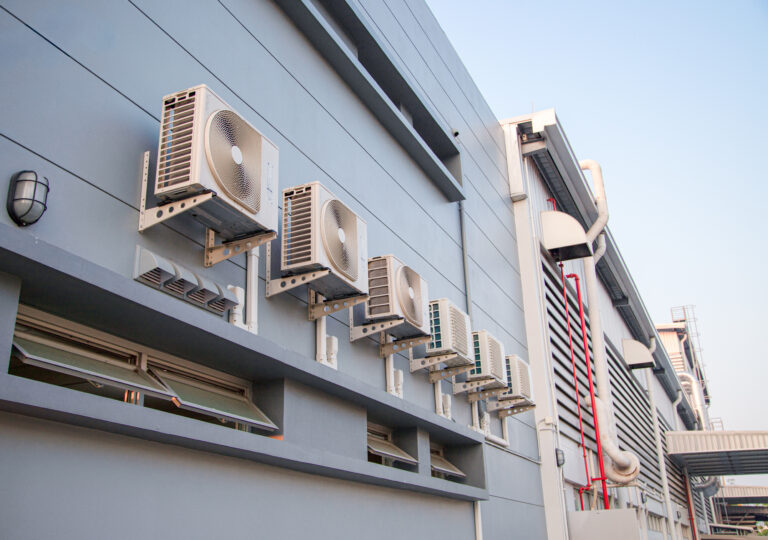
The assessment process often highlights practical improvements that reduce energy consumption, improve building performance and deliver long-term cost savings. We regularly see organisations uncover opportunities around Heating, Ventilation, and Air Conditioning (HVAC) optimisation, lighting upgrades, controls, behavioural changes and estate-wide energy management improvements.
When organisations integrate ESOS into broader sustainability planning, it becomes a powerful tool for supporting ESG reporting, carbon reduction targets and operational resilience.
Q: Are there any sector-specific challenges you’re seeing?
Absolutely. Different sectors face very different pressures.
For example, independent schools are increasingly balancing sustainability expectations with tight operational budgets and ageing estates. Many schools also have complex building portfolios that make energy monitoring and compliance more challenging.
Industrial organisations, meanwhile, are dealing with energy-intensive operations, cost volatility and growing pressure to decarbonise without disrupting productivity.
What’s important is taking a tailored approach rather than applying a one-size-fits-all solution.
Q: How does Zenergi support organisations through the ESOS process?
We provide end-to-end support across the entire compliance journey.
That includes energy data collection and validation, audits, reporting, action plan development, annual progress updates and identifying practical energy-saving opportunities. Our accredited lead assessors work closely with organisations to ensure compliance while helping them maximise operational value from the process.
Increasingly, clients are also asking for support beyond compliance – things like net zero planning, optimisation projects, carbon reporting and wider energy strategy development.
Q: What would your key advice be for organisations preparing for ESOS Phase 4?
Start early and think strategically.
The organisations that prepare now will be in a far stronger position to manage compliance efficiently, avoid last-minute challenges and unlock meaningful savings opportunities.
Most importantly, don’t view ESOS as purely a regulatory obligation. When approached properly, it can become a valuable framework and opportunity roadmap for improving efficiency, reducing costs and strengthening long-term sustainability performance.
Once organisations have identified where the greatest savings and opportunities can be realised, our Mechanical, Electrical and Plumbing (MEP) Design team can help turn those recommendations into expertly delivered, practical solutions.
Prepare for ESOS Phase 4 with confidence
ESOS Phase 4 is already underway, and early preparation can help your organisation stay compliant, reduce risk and unlock long-term energy savings.
Zenergi’s accredited lead assessors can support you through every stage of the ESOS journey, from data collection and audits to action plans, annual progress updates and practical energy-saving recommendations.