Thanks for your interest!
Simply fill out the form below and one of our team
will be in touch shortly
Resource
12 Oct 2026
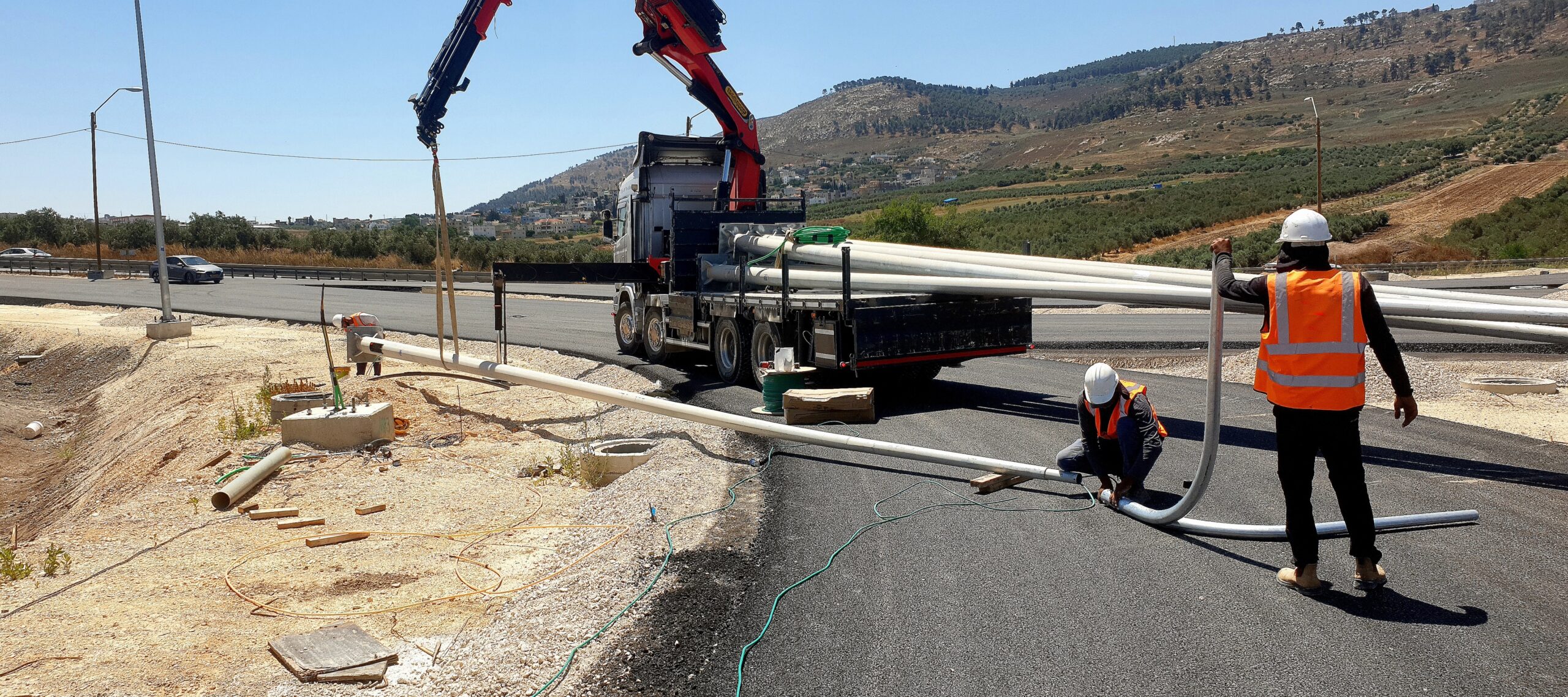
Securing utility connections and coordinating stakeholders correctly can make the difference between project success and significant risk if services are not scheduled appropriately and joined up with wider building design.
Whether you’re upgrading a school, expanding a commercial estate or constructing a new residential development, effective siteworks project management helps ensure critical infrastructure is available when it is needed.
By coordinating specialist Siteworks expertise with Mechanical, Electrical and Public Health (MEP) engineering design, organisations can reduce risk, keep projects on track and create buildings that are prepared for long-term occupation.
Siteworks provide the essential infrastructure that powers a building. From securing new utility connections to managing supply upgrades, diversions and energy infrastructure, siteworks support every stage of a development.
However, navigating these activities is rarely straightforward. Coordination is needed between distribution network operators (DNOs), independent connection providers (ICPs), suppliers, meter operators and other stakeholders. Without effective oversight, delays in utility delivery can affect wider construction programmes and increase project costs.
Engaging experienced construction consultancy services can simplify this process by providing a single point of contact for end-to-end coordination and project management.
For many developments, utility connections such as gas, water and other essential services must be designed, approved and installed before a building can become fully operational.
A structured approach to utility planning delivers several benefits:
By engaging utility specialists early, project teams can identify potential challenges before they affect delivery and ensure infrastructure requirements are aligned with the wider construction programme.
The most successful developments integrate a joined-up approach between utility infrastructure and the wider engineering design of a building. Building performance is influenced by how mechanical, electrical and public health systems are designed, integrated and delivered which depends on implementation of the right utility services from the outset.
MEP engineering plays a vital role in creating buildings that are comfortable, compliant, energy efficient and cost-effective to operate. From initial feasibility studies through to project delivery, coordinated MEP design helps ensure building services support operational requirements while reducing energy consumption and maintenance costs.
When MEP engineers and siteworks specialists work together, projects benefit from a joined-up approach to design, infrastructure and delivery. This helps ensure building services and utility infrastructure are planned simultaneously, reducing conflicts and creating a smoother route to completion.
For organisations developing or upgrading properties, managing commercial utilities requires careful planning.
As energy demand increases and buildings become more reliant on electrification technologies, infrastructure capacity can become a significant challenge. Existing networks may require upgrades, alterations or reinforcements to support new operational requirements.
Effective management of commercial utilities can help organisations:
By assessing infrastructure requirements early, organisations can develop practical solutions that meet both immediate and long-term needs.
An important consideration beyond simply connecting services is making sure infrastructure also provides accurate measurement, monitoring and control of energy consumption.
Professional meter installation planning supports operational efficiency by ensuring the right metering infrastructure is installed from the outset. This may include:
A well-planned meter installation strategy gives building owners greater visibility of energy consumption while creating a solid foundation for future efficiency improvements.
All utility construction projects involve multiple stakeholders, technical requirements and regulatory considerations.
Risks commonly arise through:
Managing these challenges requires clear communication, technical expertise and effective project oversight. By coordinating utility providers, technical assessments and delivery activities, organisations can minimise disruption and improve project delivery.
For complex utility construction projects, integrating design and infrastructure expertise under a single partner can also reduce administration and improve accountability throughout the project lifecycle.
Modern buildings must be prepared for changing energy demands, regulatory requirements and sustainability objectives.
Integrating siteworks and MEP design can help future-proof developments by:
This coordinated approach helps ensure infrastructure investments continue delivering value long after construction is complete.
Managing separate consultants, contractors and utility providers is complex and time consuming and can increase risk and extend project timelines.
By partnering with a provider that offers both siteworks and MEP expertise, organisations benefit from:
Zenergi brings together construction consultancy services, MEP design expertise and Siteworks to creates a more efficient route from concept to occupation.
Whether you’re planning new utility connections, upgrading commercial utilities, managing complex utility construction projects or requiring specialist construction consultancy services, Zenergi’s Siteworks and MEP teams can help simplify delivery and reduce project risk.
From feasibility studies and infrastructure planning through to meter installation, utility coordination and engineering design, we provide the expertise needed to support successful developments from start to finish.

Talk to Zenergi about how we can support your project from feasibility through to meter installation.
Learn moreModern buildings must be prepared for changing energy demands, regulatory requirements and sustainability objectives.
Integrating siteworks and MEP design can help future-proof developments.