Thanks for your interest!
Simply fill out the form below and one of our team
will be in touch shortly
News
18 Sep 2026
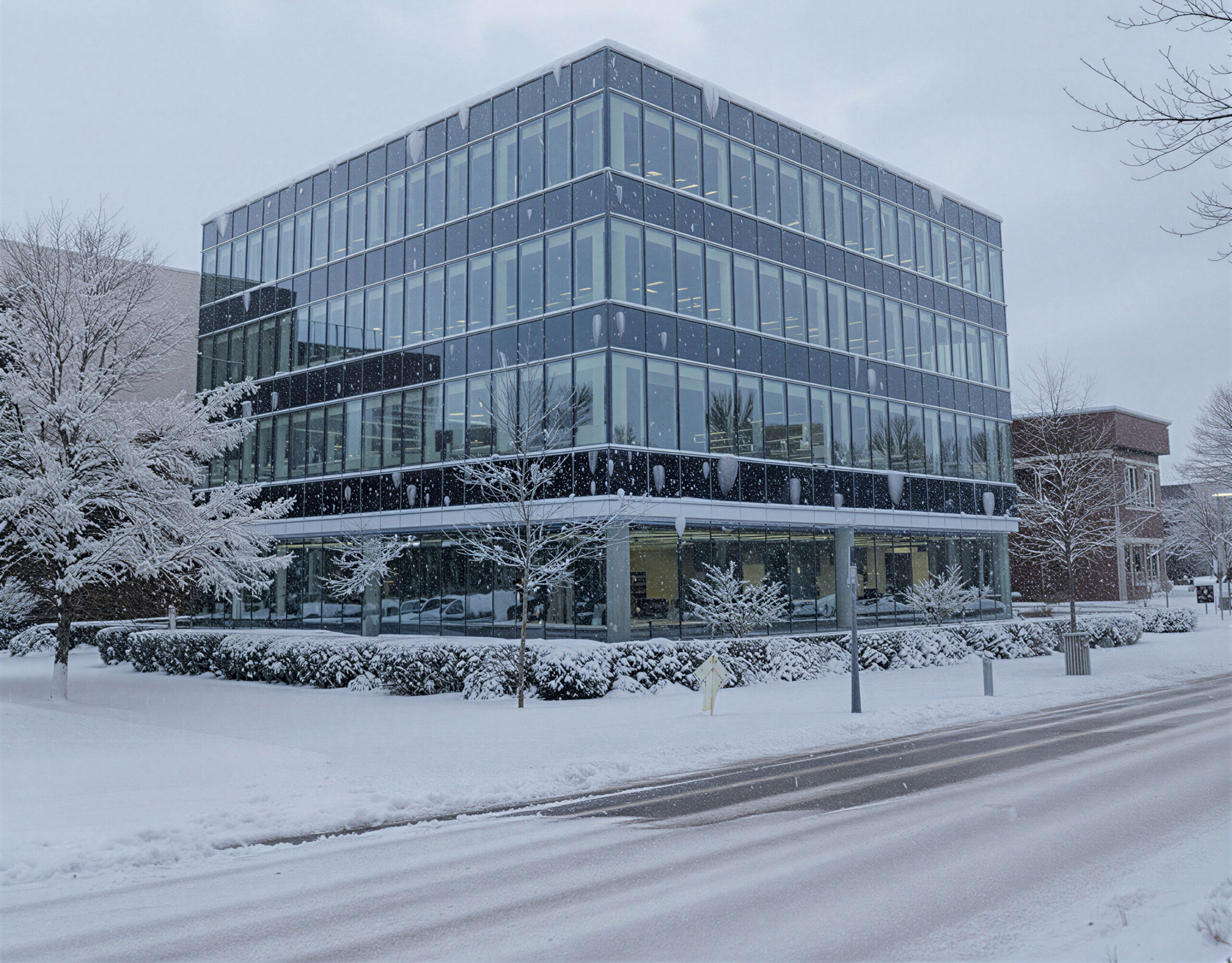
As summer draws to a close and temperatures begin to fall, energy use is set to rise again, what steps can you take to prepare and safeguard your organisation against rising costs?
From switching heating back on, to longer hours of lighting, autumn brings increased electricity demand, making it the ideal time to review how your organisation uses energy and identify opportunities to reduce costs before winter arrives.
With energy markets continuing to face volatility and wholesale gas prices remaining a key driver of energy costs, taking a proactive approach is more important than ever.
The good news? You don’t need to make major investments to start making a difference. A few simple changes, combined with better data and a proactive approach to energy management, can help improve efficiency and keep costs under control.
Here are five areas to focus on this autumn.
Heating can be one of the biggest contributors to energy consumption during the colder months, particularly across larger buildings.
Before the heating season gets fully underway, check that your heating systems are operating when they’re actually needed. Review timers, thermostats and heating schedules to make sure buildings aren’t being heated when they’re empty.
It’s also worth checking whether different areas of your building have different heating requirements. Meeting rooms, storage areas and communal spaces may not need to be heated to the same level or for the same amount of time as regularly occupied workspaces.
Small adjustments to heating controls and schedules can make a noticeable difference to energy consumption over the course of a winter.
Heating isn’t the only area to consider. Equipment, machinery, IT systems, lighting and other electrical appliances can all contribute significantly to your organisation’s energy use.
Take some time to understand what’s running, when it’s running and whether it needs to be.
Could equipment be switched off outside working hours? Are lights being left on in unoccupied spaces? Is machinery operating when demand is low?
For businesses with energy-intensive operations, reviewing equipment usage can highlight some straightforward opportunities to reduce consumption without affecting day-to-day operations.
You can’t manage what you can’t see.
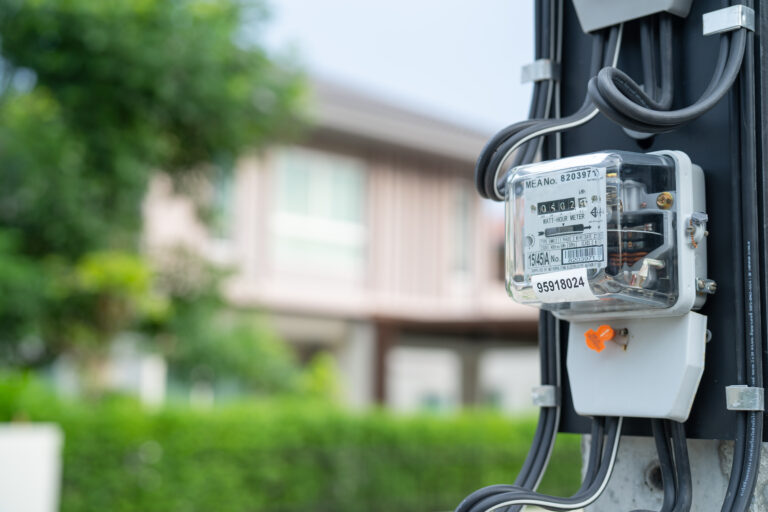
Smart meters and energy monitoring systems can provide a much clearer picture of how and when your organisation is using energy. Instead of simply looking at the total amount of energy used, you can start identifying patterns, unusual consumption and potential areas for improvement.
For example, you may discover that energy use remains high long after a building has emptied, or that a particular site is consuming significantly more energy than similar locations.
Regularly reviewing your energy data can help turn these insights into action – whether that’s changing operating schedules, investigating unexpected consumption or prioritising efficiency improvements.
Reducing consumption is only one part of managing energy costs. How and when you buy your energy can also have a significant impact on your overall spend.
Autumn is a good opportunity to review your current procurement arrangements, particularly if your existing contracts are approaching renewal.
Understanding market conditions, contract options and future energy requirements can help you make informed decisions about when and how to procure your energy.
A proactive procurement strategy can also provide greater budget certainty and help your organisation avoid making decisions at the last minute when the market may not be on your side.
Alex Payne, Director of Energy Markets and Procurement at Zenergi, said:
With energy markets continuing to respond to geopolitical events and changing supply and demand, businesses shouldn't wait until their contract is close to renewal before reviewing their position. Taking a proactive approach to procurement gives organisations more time to understand the market, consider their options and make decisions that support both their budgets and longer-term energy strategy."

Alex Payne
Director of Energy Markets and Procurement
Now is the time to identify the improvements that could make a difference before the coldest months arrive.
Start with the basics. Look for areas such as inefficient lighting, poor heating controls, draughts, outdated equipment or buildings that aren’t operating as efficiently as they could.
Some improvements may be relatively simple and inexpensive, while others could require investment. The important thing is to understand where the biggest opportunities are and prioritise projects based on potential energy, cost and carbon savings.
And don’t overlook the small changes. Across multiple sites or a large estate, seemingly minor improvements can add up to significant savings.
The potential for energy savings isn’t just theoretical. Zenergi recently worked with East Sussex County Council to assess energy performance across its estate and identify opportunities to reduce consumption.
The review uncovered potential energy savings of 26%, demonstrating how analysing energy use and identifying targeted efficiency measures can reveal significant opportunities across a large and complex estate.
Read the full East Sussex County Council case study
With energy costs continuing to be an important consideration for businesses and organisations, preparing for winter shouldn’t be left until temperatures drop and energy consumption has already increased.
By reviewing your heating, equipment, energy data, procurement strategy and efficiency opportunities now, you can put your organisation in a stronger position for the months ahead.

Get in touch to find out how our specialists can help you manage your energy more effectively.
Get in touchDon't wait for the temperatures to drop. Now is the time to identify improvements that could make a difference.
Start with the basics, such as lighting, heating controls, draughts and outdated equipment.