Thanks for your interest!
Simply fill out the form below and one of our team
will be in touch shortly
Report
22 Jun 2026
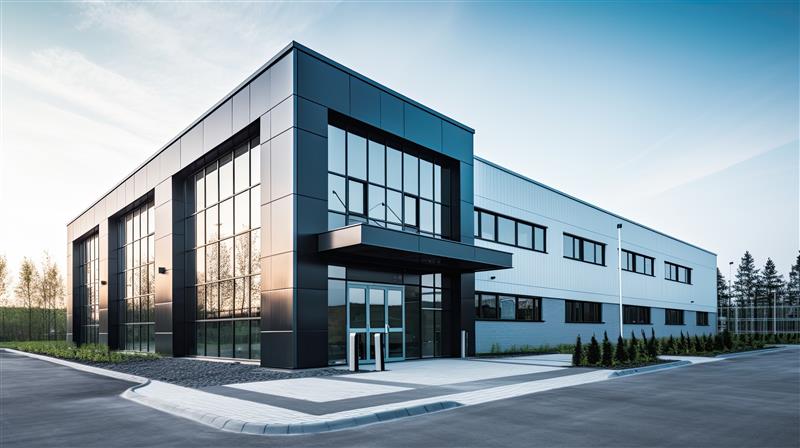
Drawing on data from 145 schools and Trusts, the 2026 findings show that while sustainability is increasingly embedded in school priorities, translating intent into consistent, measurable action remains a challenge.
This year’s report highlights a mixed picture when it comes to formal climate planning. Only 13% of respondents had a Climate Action Plan when taking part – despite the DfE requirement for all schools to have one by the end of 2025. This points to the role of the GSI as a starting point for action. In response to the findings from the previous survey data Zenergi developed a dedicated Climate Action Plan service which has helped several schools and Trusts to meet their DfE requirement and begin to embed sustainability more effectively.
A similar trend is seen in leadership capacity. Despite expectations for every setting to have a sustainability lead, only 59% of respondents reported having one in place, slightly down from last year.
Alongside this, 72% of schools cite insufficient funding and 69% report a lack of time or resource to prioritise climate action.
Together, these findings make it clear that the pace of change is not due to a lack of motivation. Rather, schools are navigating significant practical constraints
However, the data also highlights a clear pattern which we saw last year too. Schools are gathering data, but not always using it to set targets or drive change. In many cases, progress sits in the “working towards” category, demonstrating intent, but also reinforcing that sustainability is still an aspiration for many settings.
This gap is particularly evident in areas such as energy and water management. Most schools are now monitoring their energy use, but far fewer have defined reduction targets or structured plans in place. A similar picture emerges in water usage, where data collection is more common than action.
A featured case study highlights how structured use of the GSI can drive rapid change. One Trust improved its score from 2% to 55% in one year. By using the GSI to establish a baseline, the Trust was able to build a clear roadmap, prioritise actions and track progress over time, highlighting the value of a structured, data-led approach.
In response to feedback from survey participants, this year’s Greener Schools Index introduces new functionality designed to support a more strategic, organisation-wide approach, particularly for Multi-Academy Trusts. Trusts can now:

Invite multiple schools to complete the survey
Combine results into a single, consolidated report
Gain a clearer view of performance across their organisation
This provides greater visibility across their estate, enabling leaders to identify patterns, benchmark progress and target support more effectively.
The new functionality enables Trust leaders to identify patterns, benchmark performance more effectively and direct support at settings where it is needed most.
Individual schools and single academies can continue to complete the survey independently, receiving tailored reports to help identify priorities and next steps.
The Greener Schools Index (GSI) is designed not just to measure progress, but to actively support schools on their sustainability journey. Each year, we use insights from the data to refine and expand our support, ensuring it reflects the real challenges schools are facing.
Insights from the report have directly informed the development of new services and support:
The latest edition includes:
Data and trends from schools across the UK
Analysis across key areas including energy, water, waste and education
Real-world case studies and practical insights
Guidance to support schools at every stage of their sustainability journey
Developed in partnership with the UK Schools Sustainability Network (UKSSN) and in response to the DfE’s Sustainability and Climate Change Strategy, the GSI provides a practical framework to help schools understand and improve their sustainability performance.
By completing the survey, schools gain a clear baseline, identify priorities and track progress over time, supporting a more structured and achievable approach to climate action.
The GSI is helping schools to:
 Download
Sustainability is rarely a one-size-fits-all journey. Schools can often be at very different stages of development. The GSI provides the visibility needed to manage this variation effectively. It supports collaboration, shared learning, and more targeted, data-driven decision-making."

Helen Burge
Consultant School Business Leader
Would you like your school to participate? Take the Greener Schools Index survey now, to add your voice and receive your school’s tailored report. Otherwise, reach out to one of our experts to learn how you can contribute to a sustainable future with pace and urgency.
Each year, we use insights from the data to refine and expand our support, ensuring it reflects the real challenges schools are facing.
New functionality introduces a more strategic, joined-up approach at Trust level, helping leaders benchmark performance and direct support where it is needed most.